Nutrition is always important, but especially when planning to become pregnant. Regardless of your nutritional status at conception, your body will do whatever it has to do to ensure your growing baby gets everything it needs to survive and thrive. This can be extremely detrimental to a mother’s health if she is already in a depleted state as it put more stress on her body and further depletes key vitamins and minerals.
An example I like to use to highlight this sentiment is calcium. Calcium is the most abundant mineral in our bodies and is mainly stored in bones and teeth. It is important for muscle movement and plays a role in the communication between your brain and the rest of your body. If a woman enters into pregnancy with low calcium levels, the body will pull this mineral from bones and teeth to ensure baby has an adequate amount for their development and puts women at risk of developing conditions such as osteoporosis, which causes weak and fragile bones. This is only one nutrient, think about the impact multiple nutritional deficiencies can have on women’s long term health.
It is important that women consume the recommended amounts of all nutrients to replenish their personal stores as well as ensure they are entering into a pregnancy with healthy amounts of all the nutrients that will work hard to nourish their growing baby. Adequate nutrition during pregnancy will work to prevent maternal health complications down the line by building nutrient stores so that a pregnancy does not further deplete her nutrients. It is the best way to protect overall health while also having the added benefit of supporting the immense growth and development your baby is constantly doing.
Adequate nutrient intake can also reduce symptoms associated with pregnancy such as lethargy, nausea, food cravings, swelling, and more.
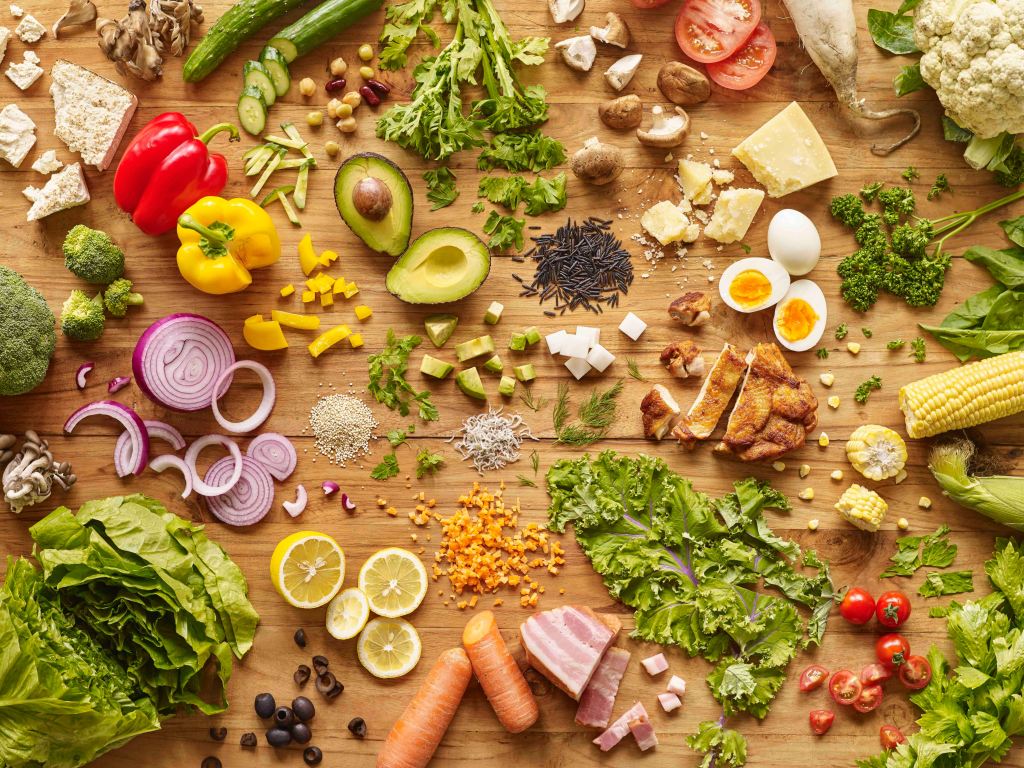
The key nutrients ALL women need to be aware of when they are trying to become or have become pregnant are:
- Omega-3 fats
- Protein
- Folic acid
- B vitamins
- Vitamins A, C, D, E
- Iron
- Calcium
- Choline
This is not an exhaustive list by any means because obtaining adequate amounts of all nutrients is important at any time in life. However, these nutrients have been shown to scientifically support fetal growth and development and are also important to maternal health and well-being.
For more information on these nutrients and more, stay tuned for future blog posts which will focus on each one specifically and how it relates to preconception, pregnancy, and postpartum health.
Working with a health care provider, such as a registered holistic nutritionist, like myself, will help you identify which vitamins, minerals and other nutrients your diet is lacking and where your unique deficiencies may lie. I can’t stress enough how important it is to take an individualized approach to your health and I am here to do just that!
References
 Sarah Sajnovic Nutrition
Leave a comment