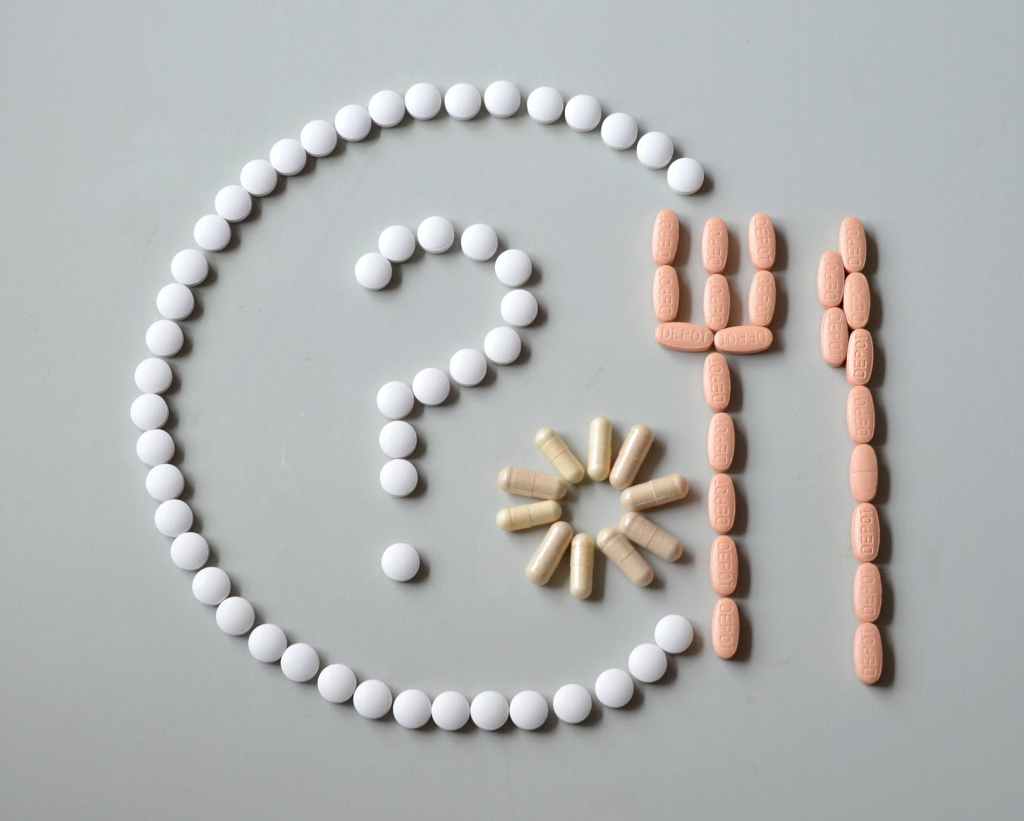
First and foremost, a healthy diet is the first step in ensuring you and your baby have exactly what you need to thrive. However, a high quality prenatal vitamin is a great way to address any gaps you may have. Nutritional gaps occur for many reasons, some of which I’ve listed below:
- Stress
- Insufficient intake of foods providing essential nutrients
- Depleted soil (leaves foods with less nutritional value)
- Overconsumption of refined and processed foods
- Alcohol and tobacco
- Drugs (antibiotics, NSAIDs, over the counter, illegal, etc)
- Dysbiosis and other gut related issues which reduce absorption of nutrients
Role of a Prenatal Vitamin
A high quality prenatal vitamin should offer an extensive nutrient profile and will contain high amounts of nutrients required for a healthy pregnancy such as iron, calcium, and folate. They are also specifically designed for women who are preparing for pregnancy and postpartum and therefore will include accurate amounts of nutrients so that you are not getting to much or too little of one.
Ideally, women will begin taking a prenatal vitamin at least 3 months, and up to a year, before conception. This allows nutrients to be adequately stored prior to becoming pregnant, can address any underlying deficiencies that may be present, and ensures you are entering into a pregnancy from day one with enough resources for both you and your baby. Filling any nutritional gaps prior to becoming pregnant is important because it helps to prevent congenital disorders that may arise due to insufficient levels of certain nutrients. For example, folate is vital to the normal growth and development of the baby’s spinal cord, brain, and skull and protects against neural tube defects.
Taking a prenatal vitamin can help to reduce the chances of developing postpartum depression and anxiety, gestational diabetes, iron deficiency, morning sickness (nausea), osteoporosis, preterm labour, and fatigue. The reason for this is that all of these issues can be linked with insufficient nutrient stores or nutrient deficiencies.
For example, women have a higher chance of developing osteoporosis because a fetus will pull calcium from bones if there isn’t enough in the diet. Calcium is an important mineral for retaining bone density and strength and if those deposits are reduced during pregnancy because the diet is deficient, bone strength is impaired which can contribute to the development of osteoporosis.
Prenatal vitamins can also be taken after birth to continue to replace nutrients lost during pregnancy/delivery and to support lactation and recovery.
Choosing a Prenatal Vitamin
The market is saturated with prenatal supplements claiming to be the best and it’s difficult to know which one to go with. I’m not here to recommend any brand in particular because, as most things, a prenatal vitamin is specific to you. I highly recommend speaking to your healthcare providers about which prenatal contains the nutrient profile and amounts that meet your unique needs. However, with that being said, there are a few things that everyone should be considering when it comes to choosing a prenatal that is right for them. Those things are: nutrient profiles, value, and certification.
- Nutrient profile: ensure the formula includes folic acid (folate), vitamin C, vitamin D, calcium, iron, B vitamins and choline (bonus for omega 3 fats like DHA, but this can always be supplemented alongside a prenatal)
- Value: think about how many pills a day you are taking and the cost of the entire bottle. Note – taking a prenatal multiple times a day is common and actually recommended because you are getting multiple doses of nutrients spread throughout the day as opposed to all at once
- Certification: look for certifications from the National Sanitation Foundation (NSF) and in Canada, make sure your supplements contain a Natural Product Numbers (NPN) or Drug Identification Number (DIN)
Some other things to consider when choosing a prenatal vitamin are whether the formulations are suitable for vegan and/or vegetarians and whether a liquid or gummy option is available if you have trouble swallowing pills.
If you’ve read over this blog post and are still feeling overwhelmed with all of the information floating around out there, I am here to help you! Reach out to me at sarah.sajnovic@gmail.com or DM me @sarahsajnovicnutrition on Instagram with any questions you may have. Please head over to my website sarahsajnovic.ca for information regarding each of my specialized program options and let me know if you’re interested in working together! I can’t wait to meet you and support you as you navigate your journey to, through, and post pregnancy.
For even more information on prenatal supplements and to see a list of “What to Expect’s” favourite brands click this link: https://www.whattoexpect.com/baby-products/pregnancy/best-prenatal-vitamins-buy-over-counter/
 Sarah Sajnovic Nutrition
Leave a comment