Embarking on the journey to parenthood comes with its unique set of challenges, and for individuals with Polycystic Ovary Syndrome (PCOS), the road to conception may require additional considerations. A tailored preconception diet can play a pivotal role in managing PCOS symptoms and boosting fertility. In this blog post I’ll go over some of the key dietary strategies and superfoods designed to optimize fertility for those navigating PCOS.
PCOS and Fertility
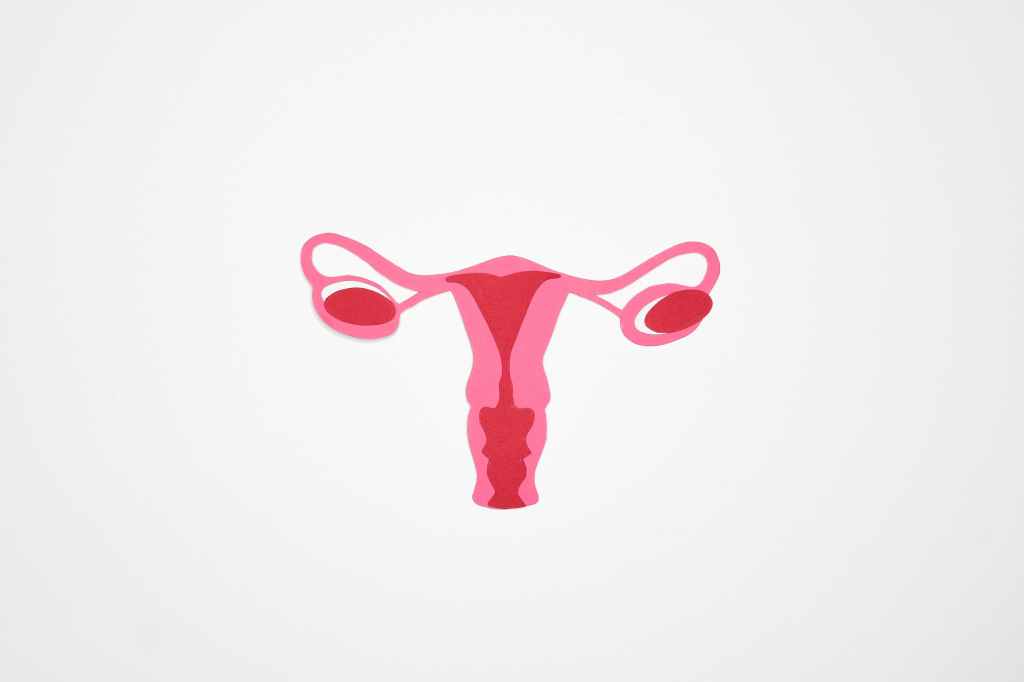
Polycystic Ovary Syndrome is a common hormonal disorder affecting individuals of reproductive age. PCOS is characterized by irregular menstrual cycles, elevated androgen levels, and the presence of small cysts on the ovaries. These hormonal imbalances can contribute to fertility challenges, making it crucial to address PCOS symptoms proactively, especially when planning for conception.
Balancing Blood Sugar Levels: The Role of Low-Glycemic Foods
Managing blood sugar levels is paramount for individuals with PCOS. Consuming low-glycemic foods helps prevent spikes and crashes in blood sugar, reducing insulin resistance commonly associated with PCOS. Opt for whole grains, legumes, and non-starchy vegetables to create a stable and balanced environment for reproductive hormones.
Including Healthy Fats: Omega-3s for Hormonal Harmony
Omega-3 fatty acids play a vital role in hormonal balance and can aid in regulating menstrual cycles. Fatty fish like salmon, chia seeds, and flaxseeds are rich sources of omega-3s. Including these healthy fats in your preconception diet supports optimal reproductive function and may improve fertility outcomes.
Choosing Lean Proteins: Supporting Ovulatory Function
Lean proteins are essential for supporting ovulatory function and managing PCOS symptoms. Incorporate sources like poultry, fish, tofu, and legumes into your diet. These protein-rich foods contribute to the maintenance of muscle mass and help stabilize blood sugar levels.
Fiber-Rich Foods: Promoting Digestive Health and Hormonal Balance
High-fiber foods aid in maintaining a healthy weight and promoting digestive health, both of which are crucial for individuals with PCOS. Include whole grains, fruits, vegetables, and legumes to ensure an adequate intake of fiber, which can contribute to hormonal balance and fertility.
Antioxidant-Rich Superfoods: Combatting Oxidative Stress
Oxidative stress is often elevated in individuals with PCOS, potentially affecting fertility. Antioxidant-rich foods can counteract oxidative stress and support reproductive health. Berries, leafy greens, nuts, and seeds are excellent sources of antioxidants and should be staples in a preconception diet for PCOS.
Limiting Processed Foods: Reducing Inflammation
Processed foods, high in refined sugars and unhealthy fats, can contribute to inflammation and exacerbate PCOS symptoms. Opt for whole, unprocessed foods to minimize inflammation and create a supportive environment for reproductive health.
Managing Dairy Consumption: Opting for Low-Fat Alternatives
High-fat dairy products may exacerbate hormonal imbalances associated with PCOS. Opt for low-fat or plant-based alternatives to reduce saturated fat intake. Adequate calcium intake remains important, and alternatives like almond or soy milk can provide necessary nutrients without the potential negative impacts of high-fat dairy.
Supplementing Wisely: Folic Acid and Inositol
In addition to a well-rounded diet, consider supplementing with folic acid and inositol. Folic acid is crucial for preventing neural tube defects during pregnancy, and inositol has shown promise in improving ovulatory function in individuals with PCOS. Consult with your healthcare provider to determine the appropriate dosage for your specific needs.
Main Take Aways
Optimizing fertility while managing PCOS should involve adopting a holistic approach that includes a well-balanced preconception diet. The key lies in maintaining stable blood sugar levels, promoting hormonal balance, and reducing inflammation. By incorporating low-glycemic foods, healthy fats, lean proteins, fiber-rich foods, antioxidant-packed superfoods, and making thoughtful choices about dairy consumption, individuals with PCOS can create a supportive environment for conception.
It is important to remember that the journey to parenthood is unique for each individual, and consulting with a healthcare provider or a registered holistic nutritionist like myself, is crucial to tailor dietary recommendations to specific needs. I believe that the preconception diet designed for PCOS and fertility is not only about optimizing physical health but also about empowering individuals on their path to parenthood.
If you have any questions about this post or how to begin implementing these recommendations email me at sarah.sajnovic@gmail.com or DM me on instagram @sarahsajnovicnutrition. Don’t forget to check out my Preconception Package if you’re interested in working with me. I can’t wait to hear from you and help you on your journey to becoming pregnant!
 Sarah Sajnovic Nutrition
Leave a comment