Pregnancy is a remarkable journey marked by profound changes in a woman’s body as she nurtures new life within her. It’s a time filled with anticipation, joy, and a heightened sense of responsibility for both the mother and her developing baby. Among the many factors influencing a healthy pregnancy, the role of antioxidants stands out.
Antioxidants are compounds that help neutralize harmful molecules called free radicals, which can cause oxidative stress in the body. During pregnancy, the body experiences increased oxidative stress due to various factors such as metabolic processes, environmental toxins, and the rapid growth and development of the fetus. This heightened oxidative stress can potentially lead to complications if left unchecked. Here’s where antioxidants come into play.
- Protection Against Cellular Damage: Free radicals are unstable molecules that can damage cells and DNA if left unchecked. This damage can lead to complications such as preterm birth, preeclampsia, and low birth weight. Antioxidants, however, act as guardians, scavenging these free radicals and preventing them from causing harm. By protecting cells and DNA from oxidative damage, antioxidants contribute to the overall well-being of both the mother and the developing baby.
- Supporting Fetal Development: The early stages of fetal development are crucial for laying the foundation of a healthy baby. Antioxidants, such as vitamins C and E, play a vital role in supporting this process by protecting the developing fetus from oxidative stress. Research suggests that adequate intake of antioxidants during pregnancy may reduce the risk of birth defects and promote optimal growth and development.
- Maintaining a Healthy Immune System: Pregnancy naturally suppresses the mother’s immune system to accommodate the growing fetus and prevent rejection. However, this suppression makes pregnant women more susceptible to infections and illnesses. Antioxidants help bolster the immune system by combating oxidative stress and reducing inflammation, thus supporting the body’s ability to fight off infections and maintain overall health.
- Reducing the Risk of Pregnancy Complications: Antioxidants have been linked to a reduced risk of pregnancy complications such as gestational diabetes and gestational hypertension. These conditions can have serious implications for both the mother and the baby, but studies suggest that antioxidants may help mitigate some of these risks by promoting better blood sugar control and improving vascular health.
- Enhancing Maternal Health: Pregnancy can take a toll on a woman’s body, leading to symptoms such as fatigue, swelling, and nausea. Antioxidants, particularly those found in fruits, vegetables, and whole grains, can help alleviate these symptoms by reducing inflammation and supporting overall maternal health.
It’s important for pregnant women to ensure they’re getting an adequate intake of antioxidants through a balanced diet rich in fruits, vegetables, nuts, seeds, and whole grains. Additionally, prenatal vitamins often contain antioxidants such as vitamins C, E, and A, which can further support maternal and fetal health.
However, it’s essential to note that while antioxidants offer numerous benefits during pregnancy, moderation is key. Some studies have suggested that excessive intake of certain antioxidants, particularly in supplement form, may have adverse effects. Therefore, it’s best to obtain antioxidants through your diet and consult with a healthcare provider before starting any new supplements during pregnancy.
Foods High in Antioxidants
- Beans (red, pinto, black)
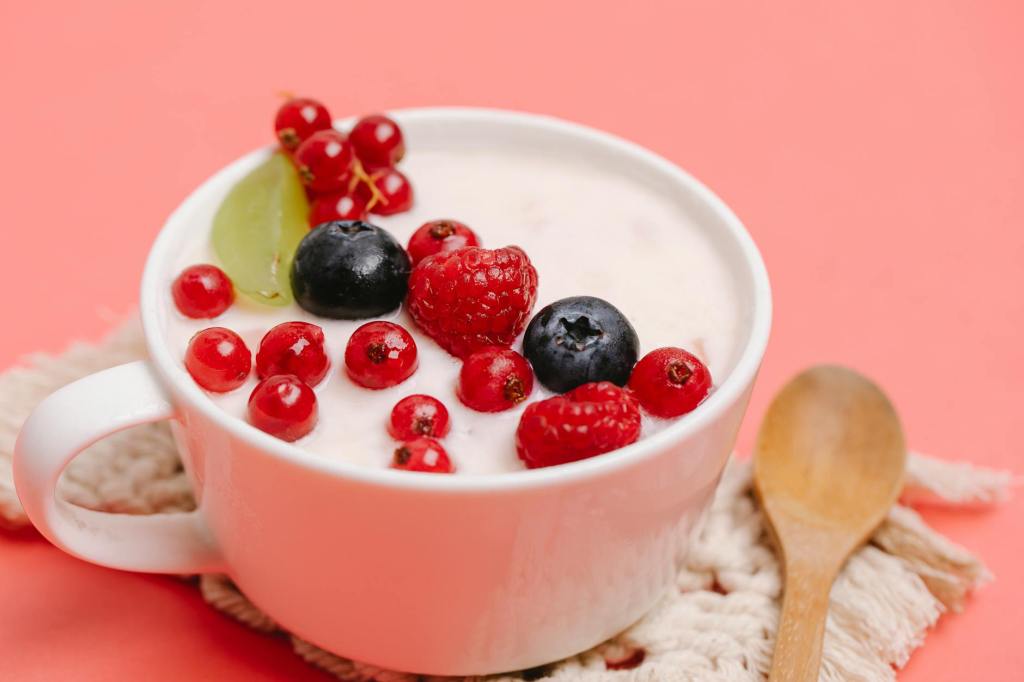
- Berries (strawberries, blueberries, blackberries)
- Cranberries
- Artichokes
- Cherries
- Pecans
- Leafy greens (broccoli, kale, spinach, cabbage)
- Sweet and russet potato
- Beetroot
- Pumpkin
- Asparagus
Antioxidant Rich Recipe
Mixed Berry Chia Jam
- 2 cups frozen berries
- Lemon juice to taste (approx. 1-2 tbsp)
- 1/3 cup chia seeds
Add all ingredients into a saucepan and heat it on low to medium heat for 15-20 minutes until the chia seeds absorb some of the liquid. When it reaches the consistency of jam (or whatever texture you prefer), remove it from the heat and let it sit for 5-10 minutes to cool down and thicken.
Add it into yogurt, oatmeal, smoothies, slather it on toast or use it in a PB and J sandwich.
Final Thoughts
With all of that said, if you are struggling to meet your nutritional targets and require some support in creating a personalized meal plan tailored to you and your specific needs, I am here for you. Check out my specialized Pregnancy Program to see whether my services would be a good fit for you during this incredible time in your life. Working with a registered holistic nutritionist like myself can be incredibly valuable in providing the education, resources, and tools to optimize your nutrition and overall health. Reach out to me through email at sarah.sajnovic@gmail.com and follow me on instagram @sarahsajnovicnutrition for more tips and tricks for all things preconception, pregnancy, and postpartum! I can’t wait to hear from you.
 Sarah Sajnovic Nutrition
Leave a comment