Welcoming a new life into the world is an incredible experience, but the postpartum period often brings its own set of challenges, including mood swings. While fluctuations in mood are common during this time, some new mothers may find themselves grappling with more intense emotions that can disrupt their daily lives. Research suggests that omega-3 fatty acids, commonly found in fish oil and certain foods, could play a crucial role in managing postpartum mood swings and promoting overall well-being.
The postpartum period is marked by significant hormonal changes, which can impact mood regulation. For some women, these hormonal shifts may contribute to feelings of sadness, anxiety, or irritability commonly referred to as postpartum blues or even postpartum depression in more severe cases. While numerous factors can influence mood during this time, emerging evidence points to the potential benefits of omega-3 fats in supporting emotional health.
Omega-3 fatty acids are a type of essential fat that the body needs but cannot produce on its own, meaning they must be obtained through diet or supplements. Two omega-3 fatty acids in particular—eicosapentaenoic acid (EPA) and docosahexaenoic acid (DHA)—have gained attention for their role in brain function and emotional well-being. These fatty acids are integral components of cell membranes in the brain and play a crucial role in neurotransmitter function, which affects mood regulation.
Several studies have investigated the relationship between omega-3 intake and postpartum mood disorders, with promising results. One study found that the risk of developing postpartum depression increases when levels of omega 3 fatty acids are low (Rupanagunta, Nandave, Rawat, Upadhyay, Rashid, & Ansari, 2023). Similarly, research published in the Journal of Clinical Psychiatry suggests that omega-3 supplementation may help alleviate symptoms of postpartum depression and improve overall mood (Mocking et al., 2020)
But how exactly do omega-3 fats exert their influence on mood? The answer lies in their anti-inflammatory and neuroprotective properties. Inflammation has been implicated in the development of mood disorders, and omega-3 fatty acids have been shown to reduce markers of inflammation in the body. By modulating inflammatory pathways, omega-3 fats may help mitigate the inflammatory response associated with mood disturbances.
Furthermore, omega-3 fatty acids play a crucial role in brain development and function, particularly during pregnancy and the postpartum period. DHA, in particular, is highly concentrated in the brain and is essential for the growth and development of the fetal brain during pregnancy. Adequate intake of omega-3 fats during pregnancy and lactation ensures that both the mother and the developing baby receive the nutrients necessary for optimal brain health.
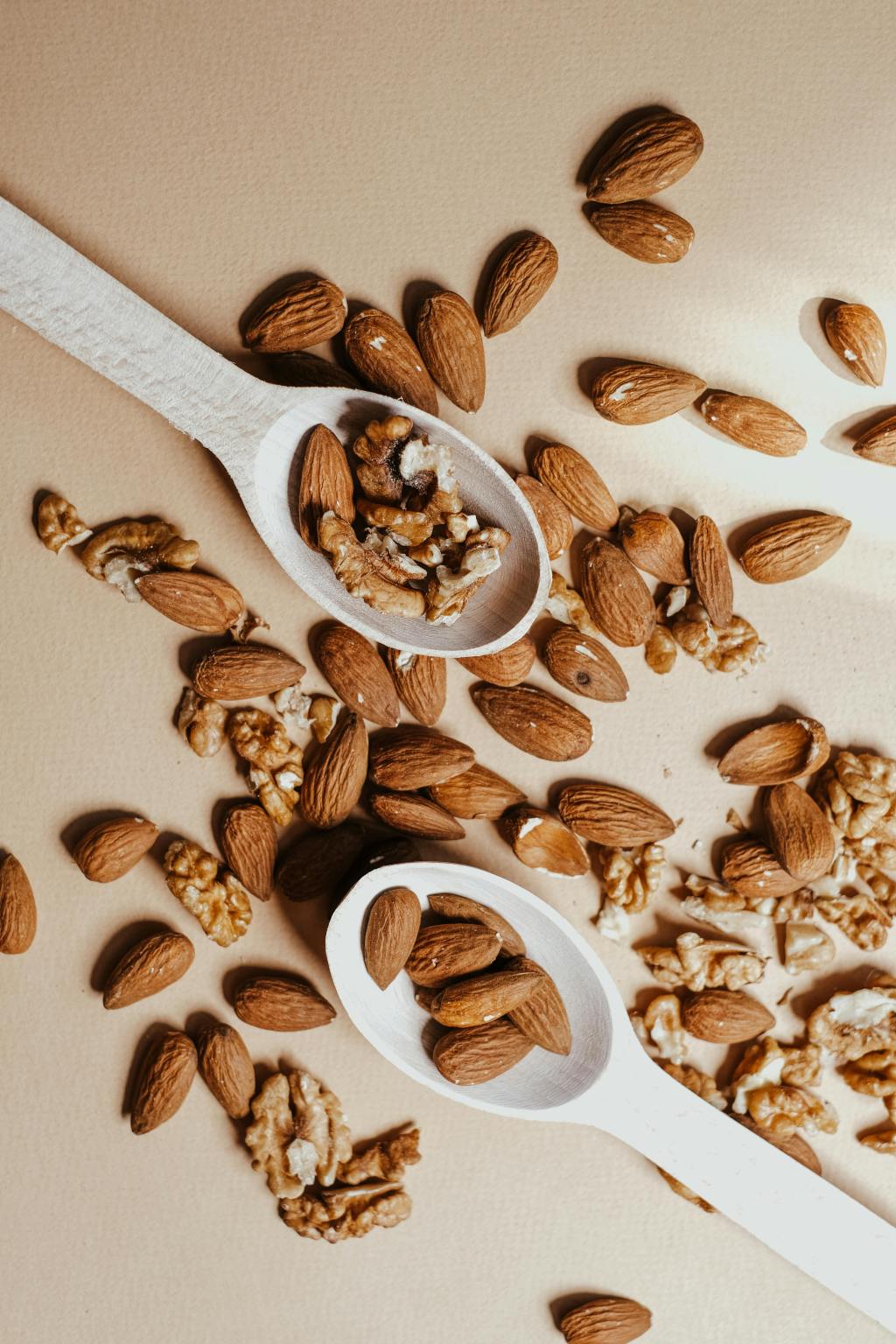
In addition to their role in mood regulation, omega-3 fats offer a myriad of other health benefits for both mother and baby. These include supporting cardiovascular health, promoting cognitive function, and reducing the risk of preterm birth. Incorporating omega-3-rich foods such as fatty fish (salmon, mackerel, sardines), flaxseeds, chia seeds, and walnuts into the diet can help ensure adequate intake during pregnancy and lactation.
While omega-3 fatty acids show promise in supporting emotional well-being during the postpartum period, it’s important to note that they are not a substitute for professional medical care. Women experiencing persistent or severe mood disturbances should seek guidance from a healthcare provider, who can offer appropriate evaluation and treatment options.
The impact of omega-3 fats on postpartum mood swings underscores the importance of nutrition in maternal mental health. By prioritizing omega-3-rich foods and, when necessary, supplementation, women can support their emotional well-being during this transformative time. As our understanding of the connection between nutrition and mental health continues to evolve, incorporating omega-3 fatty acids into maternal healthcare guidelines may offer new avenues for promoting resilience and vitality in new mothers.
As always, if you are a new mom feeling overwhelmed by postpartum, reach out to me at sarah.sajnovic@gmail.com and we can work together to get you the support you need. Whether you are looking for a one time Consultation or interested in working with me within my specialized Postpartum Package, there is an option for you. As a registered holistic nutritionist it is my honour to build an individualized meal plan for you that will support healing, increase energy levels, facilitate better sleep, and fuel your body with the nutrients it needs and deserves. Please don’t hesitate to get the support you need! Can’t wait to hear from you!
References
Mocking RJT, Steijn K, Roos C, et al. Omega-3 fatty acid supplementation for perinatal depression: a meta-analysis. J Clin Psychiatry. 2020;81(5):19r13106.
Rupanagunta, G. P., Nandave, M., Rawat, D., Upadhyay, J., Rashid, S., & Ansari, M. N. (2023). Postpartum depression: aetiology, pathogenesis and the role of nutrients and dietary supplements in prevention and management. Saudi pharmaceutical journal : SPJ : the official publication of the Saudi Pharmaceutical Society, 31(7), 1274–1293. https://doi.org/10.1016/j.jsps.2023.05.008
 Sarah Sajnovic Nutrition
Leave a comment