As I always say, pregnancy is a transformative period that is marked by significant physiological changes and heightened nutritional needs. Ensuring optimal maternal and fetal health requires a balanced and nutrient-rich diet. Among various dietary patterns, the Mediterranean diet stands out for its potential benefits for pregnant women. Rooted in the traditional eating habits of countries bordering the Mediterranean Sea, this diet emphasizes fruits, vegetables, whole grains, legumes, nuts, and healthy fats, primarily from olive oil, with moderate consumption of fish, poultry, and dairy, and limited intake of red meat and sweets.
1. Nutrient Density and Balanced Nutrition
The Mediterranean diet is renowned for its nutrient density, providing a plethora of vitamins, minerals, and antioxidants essential for both maternal health and fetal development. Fruits and vegetables are rich in vitamins A, C, and E, which are vital for immune function, skin health, and cell growth. Whole grains and legumes offer a steady supply of energy through complex carbohydrates, fiber, and B vitamins, essential for preventing birth defects and supporting energy metabolism.
2. Healthy Fats and Brain Development
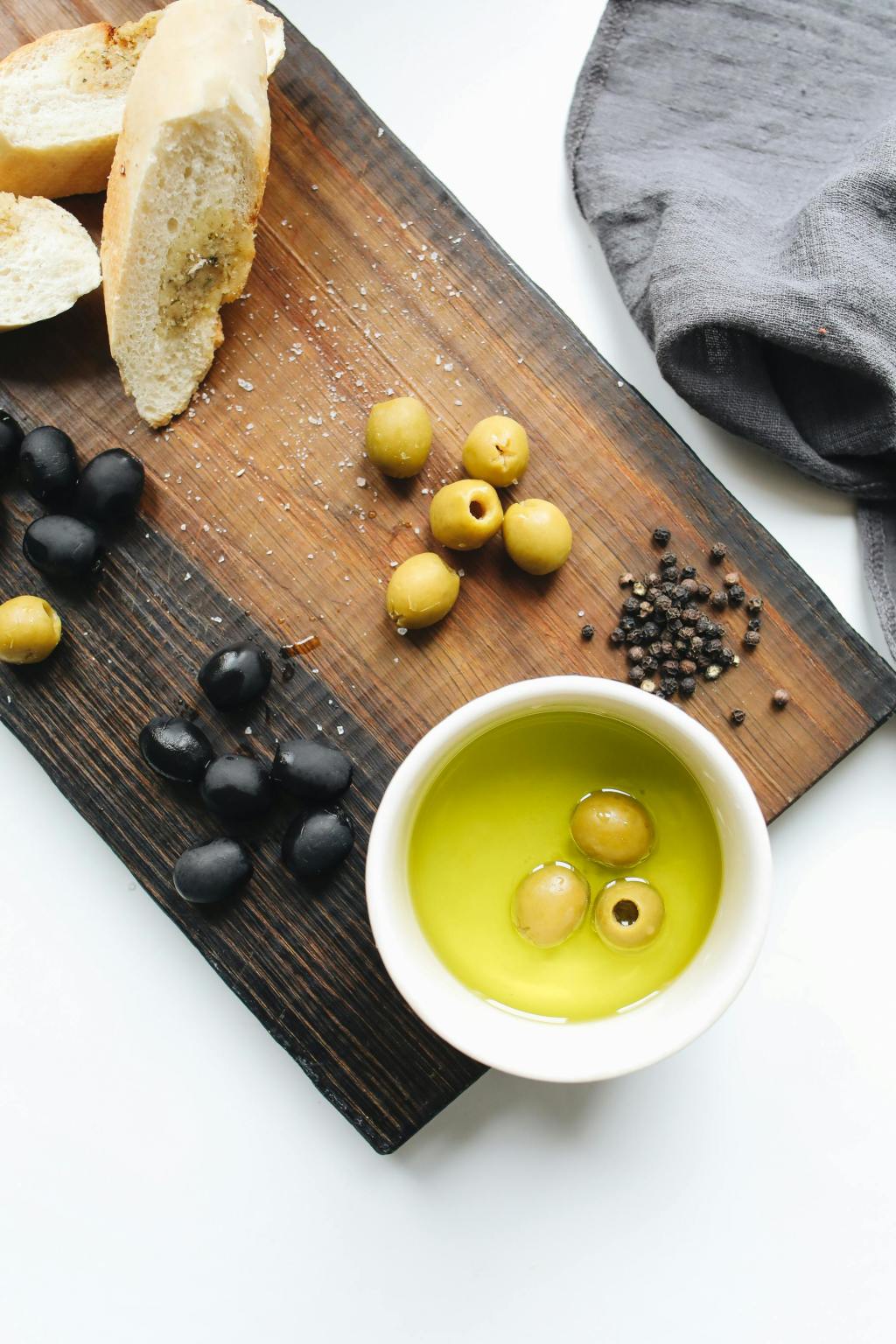
Healthy fats, particularly omega-3 fatty acids found in fatty fish like salmon, play a crucial role in the brain development of the fetus. These fats are integral to building the structure of the brain and retina, and they support cognitive function. Olive oil, a staple in the Mediterranean diet, is rich in monounsaturated fats and antioxidants, which help in reducing inflammation and improving cardiovascular health for both the mother and baby.
3. Reduced Risk of Pregnancy Complications
Adhering to a Mediterranean diet has been linked to a lower risk of pregnancy complications such as gestational diabetes, preeclampsia, and preterm birth. The high fiber content from fruits, vegetables, and whole grains aids in maintaining stable blood sugar levels, reducing the risk of gestational diabetes. The anti-inflammatory properties of olive oil and nuts can help in lowering blood pressure, mitigating the risk of preeclampsia.
4. Enhanced Maternal Health
The Mediterranean diet promotes overall maternal health by supporting cardiovascular health, preventing excessive weight gain, and enhancing digestive health. The high fiber content aids in preventing constipation, a common issue during pregnancy. Additionally, the diet’s emphasis on lean protein sources, such as fish and poultry, along with plant-based proteins from legumes, helps in maintaining muscle mass and promoting satiety, which can prevent overeating and unhealthy weight gain.
5. Mental Health Benefits
Pregnancy often brings about emotional and psychological changes, making mental well-being a critical aspect of maternal health. The Mediterranean diet, rich in omega-3 fatty acids, antioxidants, and a variety of vitamins, has been associated with improved mood and reduced risk of depression. Omega-3 fatty acids, in particular, play a role in producing neurotransmitters that regulate mood.
6. Promoting Healthy Eating Habits Post-Pregnancy
Adopting the Mediterranean diet during pregnancy can pave the way for long-term healthy eating habits. The dietary principles of the Mediterranean diet are sustainable and beneficial beyond pregnancy, promoting lifelong health and well-being. By establishing a healthy eating routine during pregnancy, women are more likely to continue these habits postpartum, benefiting their own health and serving as a nutritional role model for their children.
Practical Tips for Embracing the Mediterranean Diet During Pregnancy
- Start with Breakfast: Incorporate whole grains, fruits, and yogurt into your morning routine. A bowl of oatmeal topped with berries and a drizzle of honey is a nutritious and satisfying option.
- Prioritize Vegetables: Aim to fill half your plate with a variety of colorful vegetables at each meal. Salads, steamed veggies, and vegetable soups are excellent choices.
- Choose Healthy Snacks: Opt for nuts, seeds, and fresh fruit over processed snacks. A handful of almonds or an apple with a tablespoon of almond butter can keep you energized between meals.
- Incorporate Fish: Include fatty fish like salmon or sardines in your diet at least twice a week to boost your intake of omega-3 fatty acids.
- Cook with Olive Oil: Use extra virgin olive oil for cooking and dressing salads. Its rich flavor and health benefits make it a cornerstone of the Mediterranean diet.
So… should ALL women eat a Mediterranean diet? The answer is, it’s totally up to you and what you like! The Mediterranean diet offers a wealth of benefits for pregnant women, from enhancing fetal development to reducing the risk of pregnancy complications and supporting overall maternal health. By embracing this nutritious and balanced dietary pattern, expectant mothers can nourish themselves and their babies, setting the stage for a healthy and thriving future. But at the end of the day, eating in a way that fits into your unique lifestyle and incorporating foods that bring you joy and satiety are always going to be your best bet.
If you are struggling to meet your nutritional targets and require some support in creating a personalized meal plan tailored to you and your specific needs, I am here for you. Whether you are looking for a one time Consultation or are interested in my specialized Pregnancy Program, I have an option that will meet your needs!
Working with a registered holistic nutritionist like myself can be incredibly valuable in providing the education, resources, and tools to optimize your nutrition and overall health. Reach out to me through email at sarah.sajnovic@gmail.com and follow me on instagram @sarahsajnovicnutrition for more tips and tricks for all things preconception, pregnancy, and postpartum! I can’t wait to hear from you.
 Sarah Sajnovic Nutrition
Leave a comment